




 BOM
BOM Cart
Cart Product Catalog
The SX1278 LoRa RF module is a long-range wireless transceiver designed for low-power and reliable data communication. Operating in the 433MHz frequency band, it uses LoRa spread-spectrum modulation technology to achieve transmission distances of up to 15km under ideal conditions. With high receiver sensitivity, strong anti-interference performance, and low power consumption, the module widely use in IoT devices, smart agriculture, industrial monitoring, and remote sensing applications.
1. What is SX1278 LoRa RF Module?
3. Lora SX1278 Modules Features and Specification
4. Alternative RF Wireless Modules
5. Setting Up SX1278 LoRa Module with Arduino
7. Frequently Asked Questions [FAQ]
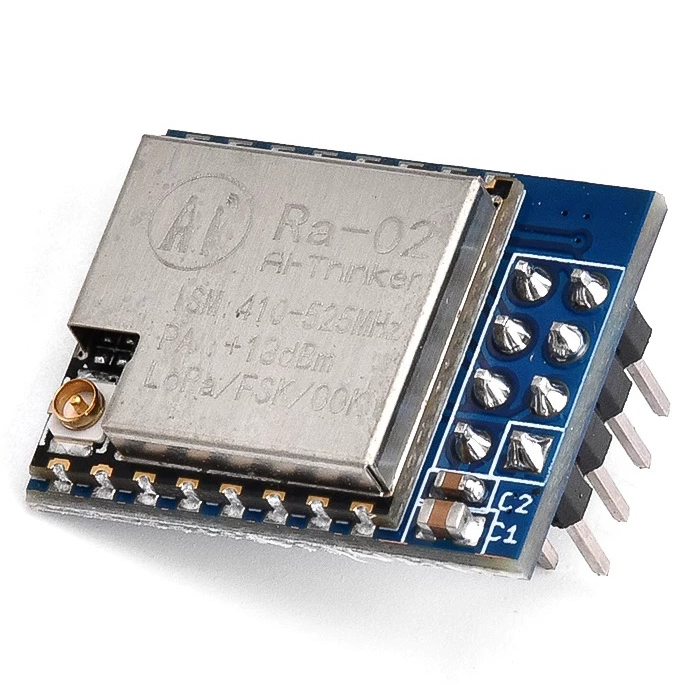
What is SX1278 LoRa RF Module?
The SX1278 module is a long-range wireless communication board commonly used in LoRa series products such as the Ra-02. Its pin interface is compatible with the NRF24L01 module, allowing developers to upgrade existing wireless projects for much longer communication distances with minimal hardware changes. In many cases, the NRF24L01 can replace directly by an SX 1278 module by simply modifying the software.
The module is based on the Semtech SX1278IMLTRT RF transceiver chip, which utilizes advanced LoRa (Long Range) spread-spectrum modulation technology. Designed for ultra-long-distance wireless communication, the SX 1278 provides excellent interference immunity, low power consumption, and highly reliable data transmission. With a receiver sensitivity of up to -148 dBm and transmit power of up to +20 dBm, it can achieve communication distances of several kilometers in suitable environments.
Compared with traditional RF modulation methods, LoRa technology offers significant advantages in receiver sensitivity, signal selectivity, and anti-blocking performance. This allows the SX 1278 to deliver long communication range while maintaining low power consumption and strong resistance to interference, making it ideal for IoT, smart agriculture, industrial monitoring, and remote sensing applications.
The popular Ra-01 and Ra-02 modules based on the SX1278IMLTRT operate in the 433 MHz frequency band, providing a reliable solution for long-range wireless data communication.
Lora SX1278 Pinout
The module communicates with microcontrollers through an SPI interface and provides multiple digital I/O pins for interrupts and advanced communication functions.
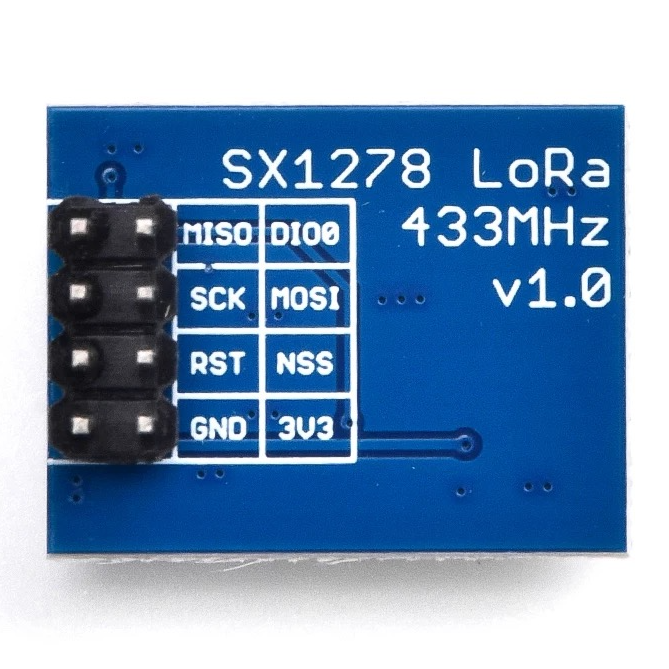
Pin Number | Pin Name | Description |
1, 2, 9, 16 | GND | Ground pins |
3 | 3.3V | Power supply input |
4 | RESET | Module reset input |
5 | DIO0 | Digital I/O 0 |
6 | DIO1 | Digital I/O 1 |
7 | DIO2 | Digital I/O 2 |
8 | DIO3 | Digital I/O 3 |
10 | DIO4 | Digital I/O 4 |
11 | DIO5 | Digital I/O 5 |
12 | SCK | SPI Clock |
13 | MISO | SPI Data Output |
14 | MOSI | SPI Data Input |
15 | NSS | SPI Chip Select |
Pin Function Overview
3.3V
Supplies power to the module. The board design for 3.3V operation.
RESET
Used to reset the transceiver and initialize communication.
DIO0–DIO5
Programmable interrupt pins that provide packet reception, transmission completion, channel activity detection, and other status indications.
SPI Interface
The SPI bus consists of SCK, MOSI, MISO, and NSS pins for communication with microcontrollers such as Arduino, ESP32, STM32, and Raspberry Pi.
Lora SX1278 Modules Features and Specification
Key Features
· LoRa spread-spectrum modulation technology
· Communication distance up to 15 km (open environment)
· +20 dBm (100 mW) RF output power
· High sensitivity down to -148 dBm
· Half-duplex SPI communication
· Programmable data rate up to 300 kbps
· Supports LoRa, FSK, GFSK, MSK, GMSK, and OOK modulation
· 127 dB RSSI dynamic range
· Automatic RF signal detection
· CAD (Channel Activity Detection) mode
· Fast AFC (Automatic Frequency Control)
· Built-in CRC error detection
· Packet engine supporting up to 256-byte payloads
· Compact stamp-hole SMT package
· Integrated RF shielding
· Available with spring antenna (Ra-01) or IPEX antenna connector (Ra-02)
Specifications
Parameter | Specification |
RF Chip | SX1278IMLTRT |
Wireless Standard | 433 MHz LoRa |
Frequency Range | 420 MHz – 450 MHz |
Communication Interface | SPI |
Operating Voltage | 1.8V – 3.7V |
Typical Voltage | 3.3V |
Receiver Current | ≤10.8 mA |
Transmit Current | ≤120 mA @ +20 dBm |
Sleep Current | 0.2 μA |
Maximum Output Power | +20 dBm |
Receiver Sensitivity | -148 dBm |
Maximum Data Rate | 300 kbps |
Operating Temperature | -40°C to +85°C |
Storage Temperature | Room Temperature |
Alternative RF Wireless Modules
If the SX1278 does not meet your project requirements, consider the following alternatives:
NRF24L01
A popular 2.4 GHz wireless transceiver module widely used in short-range communication applications. It offers fast data transmission, low power consumption, and easy integration with microcontrollers such as Arduino, ESP32, and STM32. Compared to SX 1278 modules, the NRF24L01 provides higher data rates but significantly shorter communication range, typically up to 100–1000 meters depending on the environment. Commonly use in wireless sensor networks, remote controls, and basic IoT projects where not require long-range transmission.
Feature | SX1278 LoRa | NRF24L01 Module |
Frequency Band | 433 MHz (420–450 MHz) | 2.4 GHz |
Communication Technology | LoRa spread-spectrum modulation | GFSK modulation |
Maximum Range | Up to 15 km (open area) | ~100–1000 m |
Data Rate | Up to 300 kbps | Up to 2 Mbps |
Power Consumption | Very low (sleep 0.2 µA) | Low |
Receiver Sensitivity | Up to -148 dBm | Around -94 dBm |
Interference Resistance | High | Moderate |
Interface | SPI (half-duplex) | SPI |
Best Use Case | Long-range IoT, agriculture, industrial monitoring | Short-range wireless communication, robotics, sensors |
Cost | Slightly higher | Low cost |
Antenna Options | Spring antenna / IPEX external | PCB / external antenna options |
Setting Up SX1278 LoRa Module with Arduino
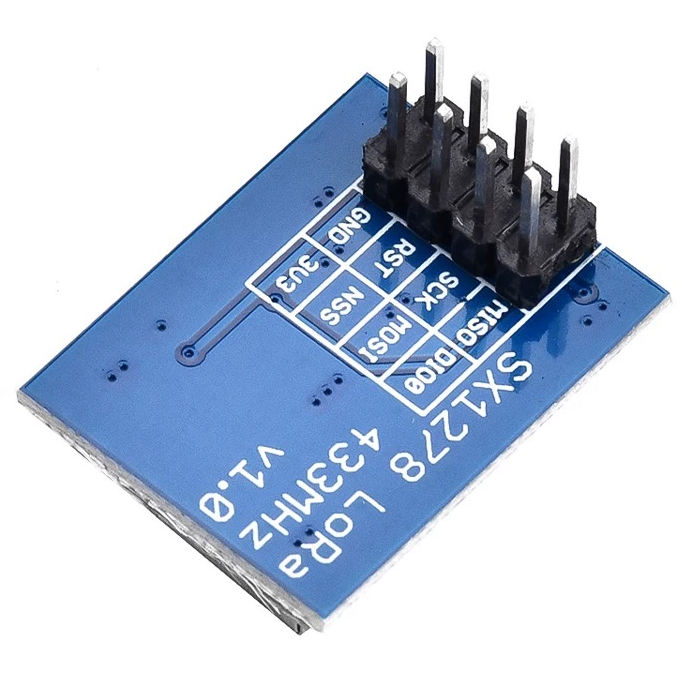
Required Components
· Arduino Uno/Nano
· SX1278 LoRa Module
· Breadboard
· Jumper wires
· Antenna
Arduino Wiring
SX1278 | Arduino Uno |
VCC | 3.3V |
GND | GND |
NSS | D10 |
SCK | D13 |
MISO | D12 |
MOSI | D11 |
RESET | D9 |
DIO0 | D2 |
Software Setup
1. Install the Arduino IDE.
2. Install the LoRa library.
3. Connect the module according to the wiring table.
4. Upload a LoRa transmitter or receiver example.
5. Open the Serial Monitor and verify communication.
Basic Communication Process
1. Initialize SPI.
2. Configure LoRa frequency (433 MHz).
3. Set spreading factor and bandwidth.
4. Transmit data packets.
5. Receive and decode incoming packets.
ESP32 and SX1278 Connection
The ESP32 works well with the SX1278 because both devices operate at 3.3V logic levels.
SX1278 | ESP32 |
VCC | 3.3V |
GND | GND |
NSS | GPIO5 |
SCK | GPIO18 |
MISO | GPIO19 |
MOSI | GPIO23 |
RESET | GPIO14 |
DIO0 | GPIO26 |
This combination is commonly used in IoT gateways, remote monitoring systems, and smart agriculture applications.
Applications of SX1278 LoRa Module
Smart Agriculture
Used for soil monitoring, irrigation control, weather stations, and livestock tracking over large agricultural fields.
Industrial Monitoring
Provides long-range communication for factory automation, equipment monitoring, and predictive maintenance systems.
Smart Cities
Supports smart parking, street lighting, environmental monitoring, and utility management.
Remote Sensor Networks
Enables communication between sensors deployed in remote locations without requiring cellular connectivity.
Home Automation
Connects sensors and control systems over long distances while maintaining low power consumption.
Asset Tracking
Suitable for vehicle tracking, logistics management, and inventory monitoring.
Environmental Monitoring
Used in weather stations, water quality monitoring systems, and forest management networks.
Wireless Alarm Systems
Provides reliable long-distance communication for security and surveillance applications.
Semtech SX1278 Datasheet PDF
For complete electrical characteristics, register descriptions, RF performance data, and reference circuits, can download the official data sheet.
Frequently Asked Questions [FAQ]
What is the range of the LoRa SX1278?
The SX 1278 can achieve communication distances of up to 15 km in open outdoor environments with suitable antennas and line-of-sight conditions. Typical urban ranges are between 2 km and 5 km.
What does a LoRa module do?
A LoRa module enables long-range, low-power wireless communication between devices. Commonly use for IoT applications, remote sensing, tracking systems, and industrial monitoring.
How to use SX1278 LoRa module?
Connect the module to a microcontroller through SPI, configure the operating frequency and communication parameters, and use a LoRa software library to transmit and receive data packets.
What is the price of SX1278 LoRa module?
The SX 1278 module typically costs between $3 and $10 depending on the manufacturer, antenna type, quantity purchased, and regional availability.
How to use LoRa module with Arduino?
Wire the SX1278 to the Arduino SPI pins, install a LoRa library, load a transmitter or receiver example, configure the operating frequency, and upload the code.
Is ESP32 compatible with LoRa?
Yes. ESP32 is fully compatible with SX1278 modules. Many LoRa development boards combine an ESP32 and SX1278 on a single PCB.
How to connect ESP32 to LoRa?
Connect the SX 1278 SPI pins (MOSI, MISO, SCK, NSS) to the ESP32 SPI interface, connect RESET and DIO0 to GPIO pins, supply 3.3V power, and use a LoRa library to establish communication.
Conclusion
The SX1278 LoRa RF Module is a powerful long-range wireless communication solution that combines low power consumption, excellent receiver sensitivity, and strong interference resistance. Operating in the 433 MHz band, it supports communication distances of up to 15 km while maintaining reliable performance. Whether used with Arduino, ESP32, or industrial controllers, the SX 1278 remains one of the most popular choices for IoT networks, smart agriculture, industrial automation, remote monitoring, and wireless sensor applications.
Read More:
1. SX1276 LoRa Transceiver: Pinout and Wireless Lora Module
2. CC1101 Wireless RF Transceiver Module Board Guide
3. TJA1050 Transceiver Pinout, Applications and Can Bus Module
HOT NEWS
TP4056 Charging Module Pinout, Working, and Applications
TP4056 Charging Module Pinout, Working, and Applications
2026-01-23
LR41 Battery Guide: Specifications, Equivalents, and Uses
LR41 Battery Specifications, Equivalents, and Uses
2025-12-14
Understanding A 0603 Resistor
0603 resistor,dimensions,marking code, values
2025-05-29
MT3608 Boost Converter - An In-Depth Guide
MT3608 Boost Converter
2025-09-04
The 0402 Resistor: A Comprehensive Guide
0402 Resistor
2025-05-06
Complete Guide to the 220 Ohm Resistor
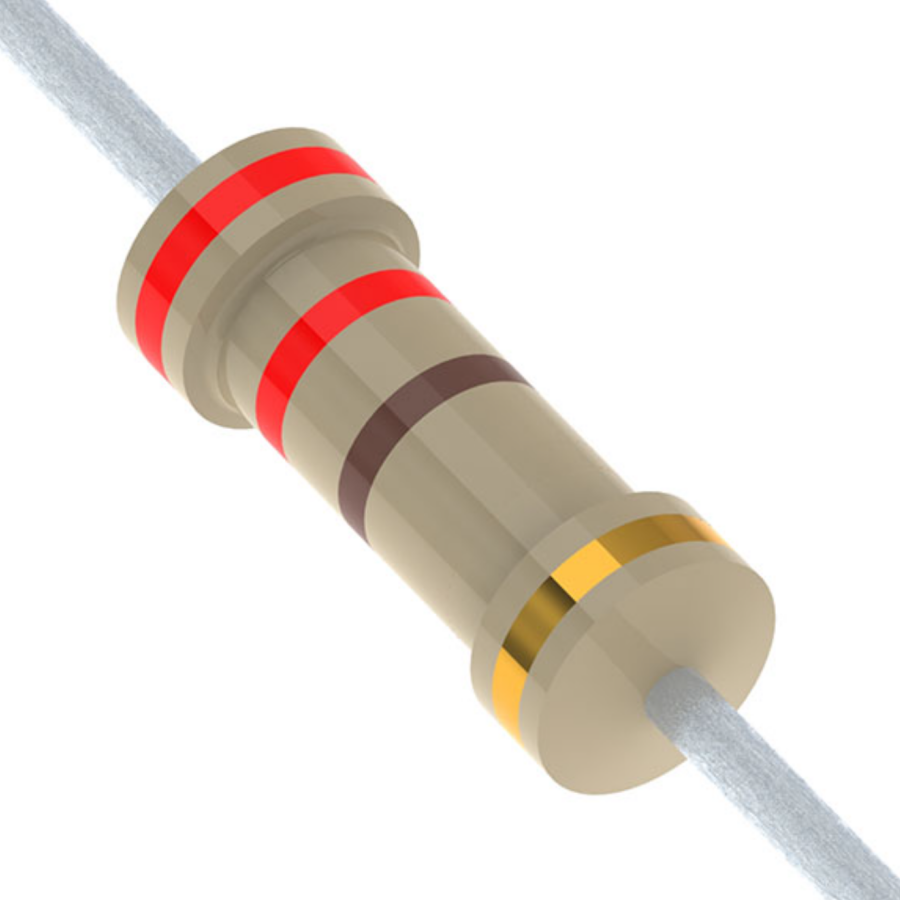
220 Ohm Resistor
2025-07-28
What Is A 1206 Resistor?
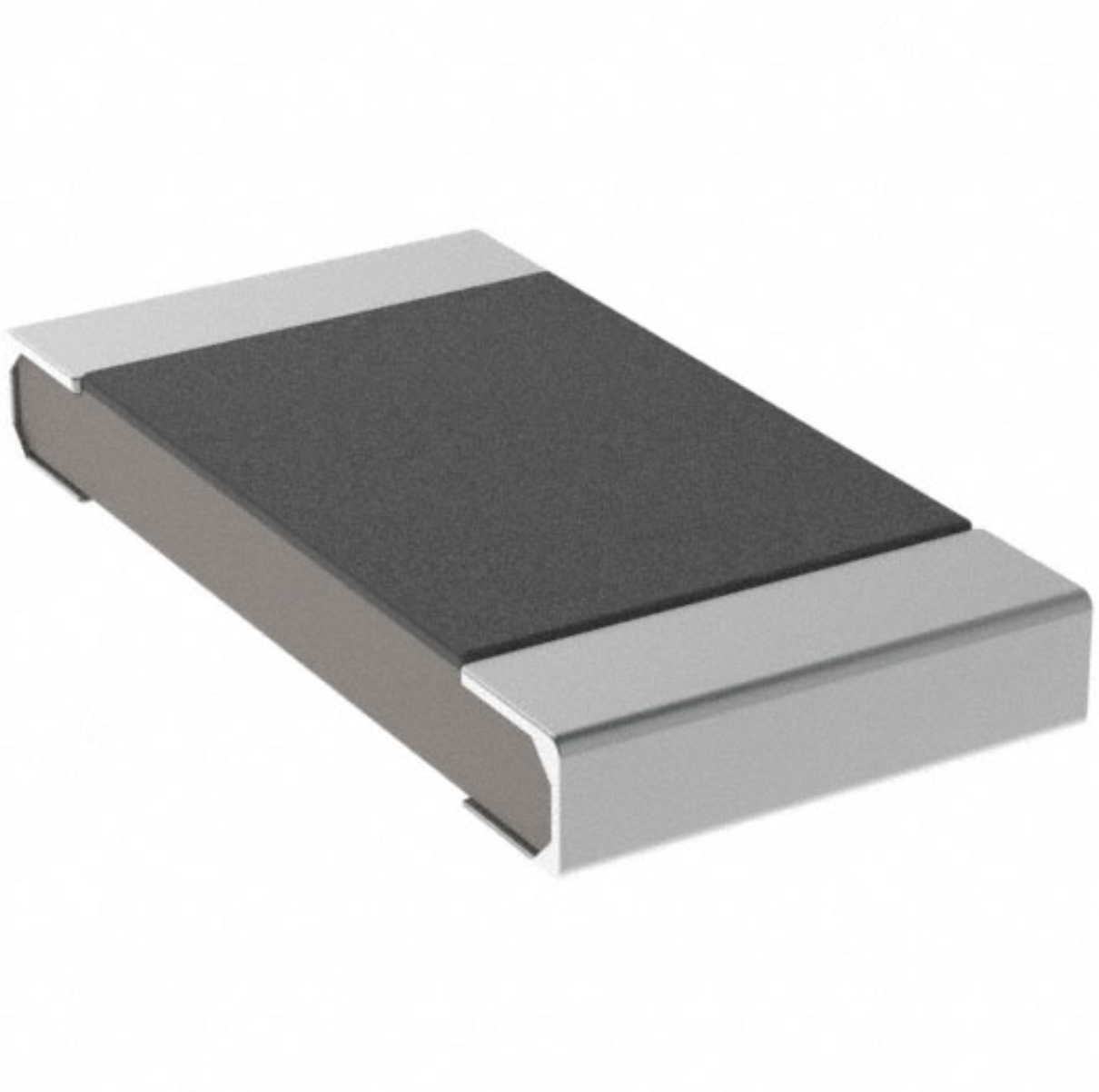
1206 resistor dimensions,footprint,value
2025-06-05
Guide To The XL6009 Boost Converter
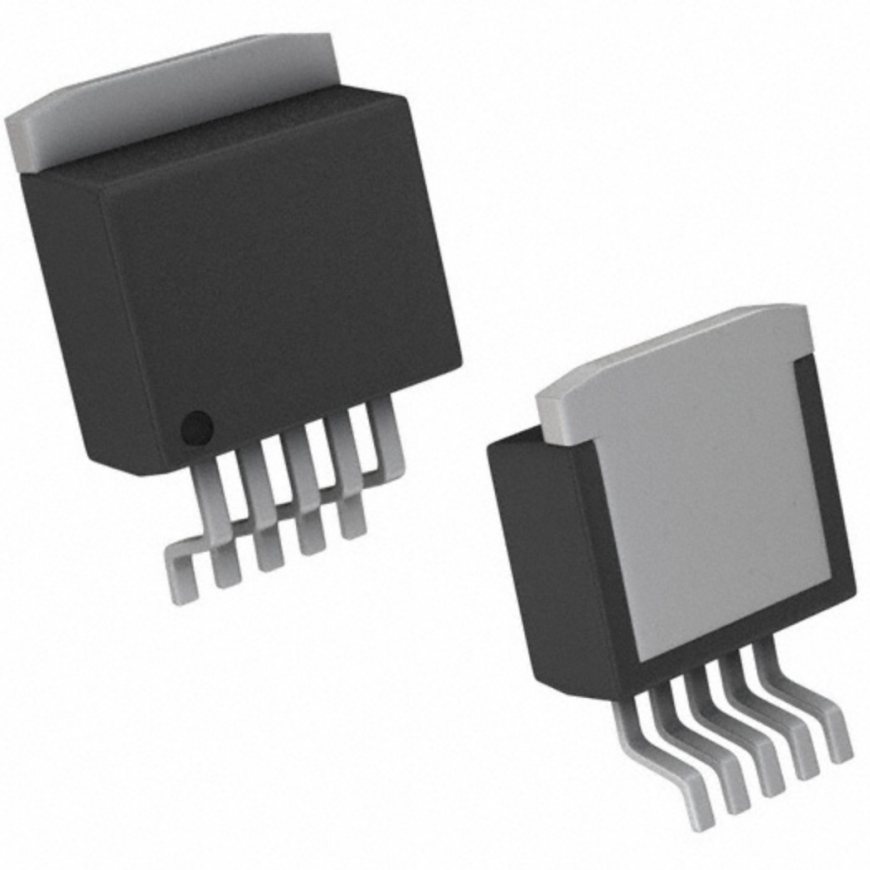
XL6009 Boost Converter
2025-09-05
Understanding The CD4051 Analog Multiplexer
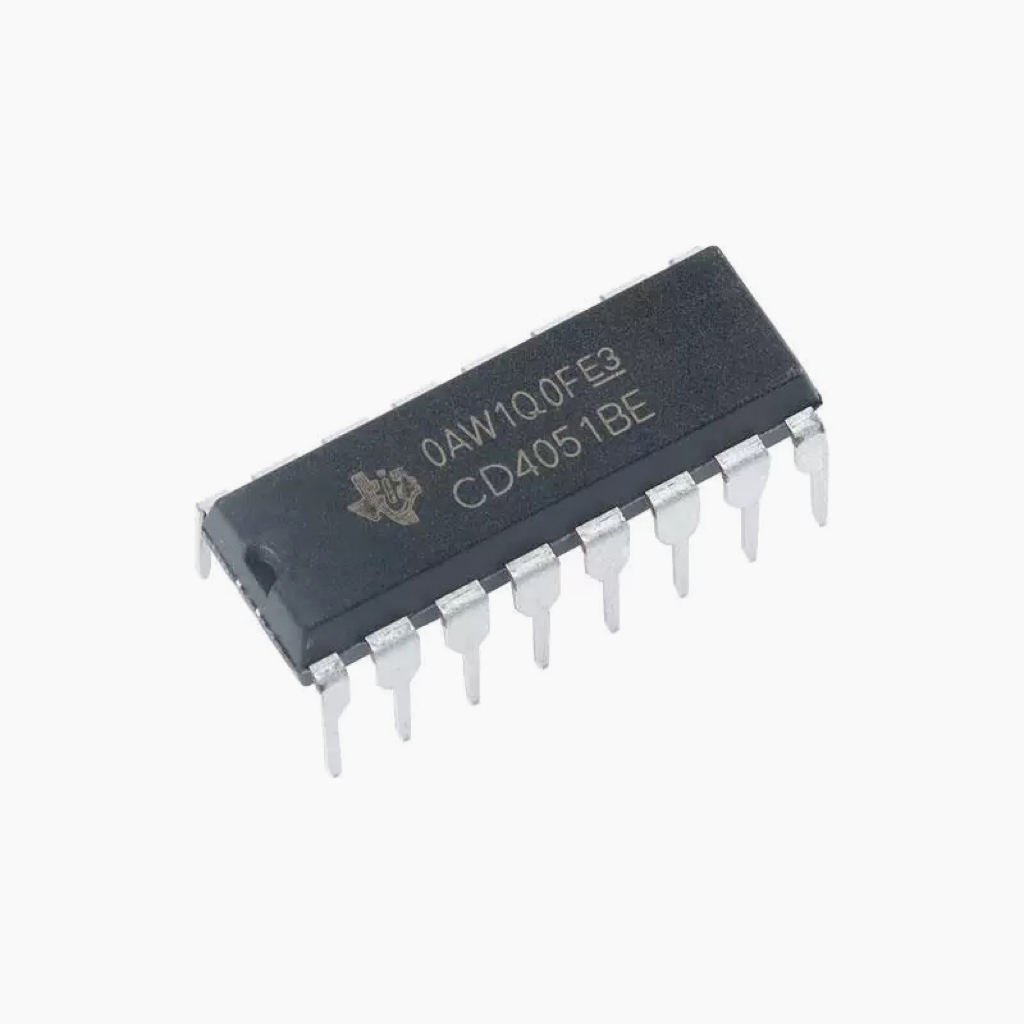
CD4051 analog multiplexer
2025-06-30
120 Ohm Resistor- Specifications, Applications, and Features
2025-05-12